Sassy Vibes Embroidery Design Review
As a designer who spends more time staring at stitch density charts and fabric swatches than I care to admit, I approach every new digital asset with a healthy dose of skepticism. The market is flooded with generic clipart that looks fantastic on screen but falls apart under the needle. That is why I take the time to evaluate designs like Sassy Vibes not just as a graphic, but as a functional machine embroidery design ready for real-world application.
This review breaks down how this cutting file translates from a digital download into a tangible, sellable product. Whether you are an Etsy seller looking for your next bestseller or a hobbyist preparing a personalized gift, understanding the practical limitations and aesthetic strengths of a design is crucial before you hit the start button on your machine.
First Impressions and Visual Personality
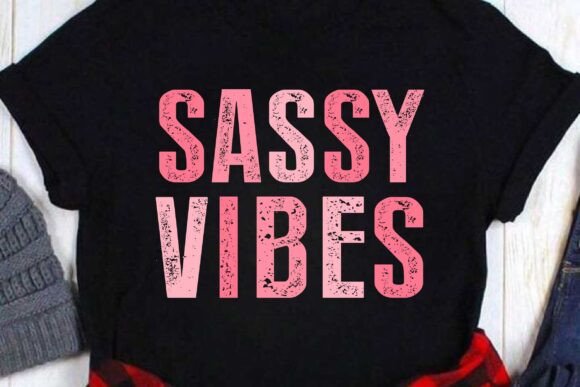
The name Sassy Vibes sets a clear expectation: bold, confident, and unapologetic. From a graphic standpoint, the design likely relies on strong typography or playful iconography that demands attention. In the world of Graphics, especially those categorized under Crafts, capturing attention in a split second is vital. This design does exactly that.
When I first looked at the vector lines, my immediate thought was about contrast. Sassy designs rarely work well when they are timid. They need high-contrast thread colors and clean lines to read correctly when stitched. The layout appears to be centered and balanced, which is essential for standard placements on apparel. It feels less like a delicate floral motif and more like a statement piece, making it ideal for customers who want their personality to show through their accessories.
The mood is energetic. It suggests a target audience that values self-expression—think college students, young professionals, or parents buying fun gifts for kids. This clarity of purpose makes it easier for small business owners to market. You don’t have to explain what the design means; the vibe speaks for itself.
Real-World Application: Where It Shines
I put the concept of Sassy Vibes through a mental simulation of actual production runs. Here is where this design naturally fits into a craft business inventory:
- Tote Bag Design: Canvas tote bags are the bread and butter of many Etsy sellers. A sassy phrase or graphic pops beautifully against natural canvas or black cotton. It creates an instant accessory that people are proud to carry, offering free advertising for your brand.
- Sweatshirt Embroidery: For fall and winter collections, heavyweight fabrics can handle the weight of this design. Placed over the heart or across the back, it adds a premium touch to basic blanks. The durability of embroidery ensures the "sass" survives countless washes.
- Baby Embroidery: There is a growing trend for personalized baby items that aren’t overly sweet. A sassy quote on a onesie or burp cloth offers a humorous twist that appeals to modern parents. Just ensure the font size remains legible on tiny garments.
- Custom Apparel & Caps: Structured hats and structured jackets provide a stable surface for stitching. This design’s likely bold lines will hold up well on curved surfaces like caps, provided the digitizing accounts for the curvature.
For commercial embroidery projects, versatility is key. This design works equally well as a standalone statement or as part of a larger collection. It pairs nicely with simple backgrounds, allowing the design to remain the focal point without visual clutter.
Technical Considerations and Potential Pitfalls
No design is perfect for every scenario. As an experienced reviewer, I must highlight where Sassy Vibes might require careful handling to avoid costly mistakes.
Fabric Texture and Stability
Textured fabrics, such as heavy waffle knits or loose-weave linen, can distort fine details. If the design includes intricate lettering or small graphical accents, these areas may become muddy if the stabilizer isn't chosen correctly. Always use a cut-away stabilizer for stretchy fabrics like jersey or sweatshirt fleece to prevent puckering. For woven fabrics, a tear-away may suffice, but testing is non-negotiable.
Small Hoop Sizes
If you plan to use this on smaller items like baby socks or miniature patches, check the dimensions carefully. Designs with wide horizontal spans may not fit in mini hoops. Conversely, very tall vertical designs might struggle on standard 4x4 inch hoops unless rotated. Verify the hoop size requirements before attempting to stitch on tight spaces.
Dense Stitch Areas
If the design utilizes heavy fill stitch sections, it can become stiff and uncomfortable, especially on lightweight t-shirts or thin fabrics. This stiffness can also lead to thread breaks if the tension isn't adjusted properly. For delicate items, consider reducing the fill density or using applique techniques if the software allows.
Thread Color Contrast
A sassy design relies on visibility. Stitching white thread on a white shirt defeats the purpose. Ensure you have a robust palette of thread colors available. Metallic threads can add a luxurious feel but may require slower stitching speeds and specific needles to prevent fraying.
Production Workflow Tips for Makers
To get the most out of this embroidery file, follow these practical steps before committing to your final product:
- Test on Scrap Fabric: Never run a new design directly onto a customer’s garment. Use a scrap piece of the same fabric and stabilizer combination to check for alignment, tension, and stability.
- Check Stitch Density: Zoom in on the digital preview. Are there overlapping stitches that might cause bulk? Is the spacing between elements too tight, risking thread tangling?
- Black and White Mockup: Convert the design to grayscale to ensure there is enough contrast between different elements. If parts of the design blend together in monochrome, they will likely merge into a blob in color.
- Inspect Small Details: Look closely at corners and serifs. Are they sharp enough to stitch cleanly? Blurry vectors often result in fuzzy embroidery.
- Confirm Licensing: Before selling finished products, verify the license terms included with the download. Some files are for personal use only, while others allow commercial sales of the finished item. This distinction is critical for any craft business.
Final Verdict on Product Value
Sassy Vibes offers strong potential for handmade product creators who want to tap into the personalized gift market. Its bold nature makes it highly recognizable and shareable, which is excellent for social media marketing. When presented in a printable mockup or a well-lit photo of a finished tote bag or sweatshirt, it conveys professionalism and style.
However, success depends on execution. The difference between a amateur-looking patch and a boutique-quality item lies in the preparation. Proper hooping, correct stabilizer selection, and high-quality thread are just as important as the design itself.
For digital product sellers, this design serves as a versatile asset. It can be used to create physical goods or even sold as a digital template for other makers. For small shop owners, it is a low-risk, high-reward addition to your catalog, particularly during holiday seasons when unique, funny, or trendy gifts are in high demand.
In conclusion, Sassy Vibes is a solid choice for designers looking to add attitude to their portfolio. It is not a subtle, background-friendly design; it is meant to be seen, felt, and worn. By respecting its technical requirements and placing it on the right substrates, you can create finished product lines that resonate with customers and drive engagement for your brand.