Retro Cavalier SVG: A Designer’s Real-World Embroidery Review
As a designer who spends more time staring at stitch charts and fabric swatches than drinking coffee, I have learned to trust my gut before I ever thread the needle. When a new file lands in my inbox—especially one with a title as specific as Retro Cavalier SVG—I don’t just look at the preview image. I think about how it will behave under the presser foot, how it will hold up after ten washes, and whether it will actually sell on an Etsy shop or make a meaningful personalized gift.
This review is not a sales pitch. It is a practical evaluation of how this design performs when moved from screen to fabric. We are looking at this through the lens of real project use, covering everything from custom apparel to boutique merchandise.
The First Impression: Mood and Visual Personality
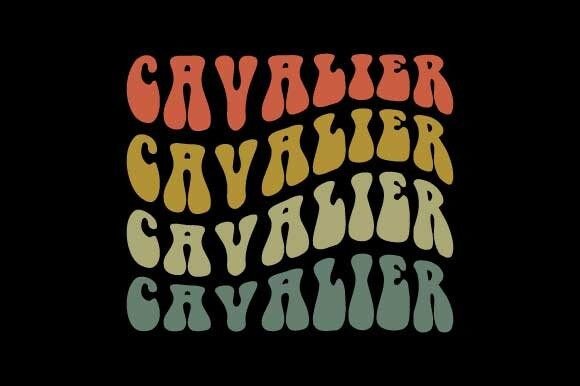
The moment you open the Retro Cavalier SVG, the vibe is distinct. It carries that mid-century charm that has been dominating craft trends for a while now, but it manages to feel fresh rather than derivative. The shape and layout suggest a balance between bold graphic elements and delicate detailing. For an embroidery designer, this is crucial. If a design is too cluttered, it becomes a muddy mess of thread; if it is too sparse, it looks unfinished.
The "Cavalier" theme implies a sense of classic style, perhaps referencing vintage hats, equestrian motifs, or retro typography. This gives the design a strong narrative backbone. It feels like it belongs on a sturdy canvas tote bag or a high-quality sweatshirt rather than a flimsy t-shirt that might pucker after a single wear. The visual personality is confident but approachable, which is exactly what you want for handmade products aimed at a broad audience.
Real-World Application: Where Does This Design Shine?
I recently imagined using this machine embroidery design for a client request: a set of matching family gifts for a holiday reunion. The client wanted something unique—not just another snowflake or reindeer. The Retro Cavalier SVG offered a sophisticated alternative that could be adapted for different ages and genders.
Here is how I see this embroidery file performing in specific scenarios:
- Tote Bag Design: This is arguably the strongest use case. The structured nature of a canvas tote provides the perfect stability for the design. Whether you use a satin stitch outline or a fill stitch background, the fabric holds its shape well, allowing the retro details to pop without distortion.
- Sweatshirt Embroidery: For a cozy, vintage aesthetic, placing this on a heather grey or olive green crewneck creates an instant streetwear vibe. The thicker fabric supports the stitch density better than thin cotton, resulting in a premium feel that customers appreciate.
- Baby Embroidery: Despite the "retro" edge, the clean lines work beautifully for nursery decor or baby blankets. It bridges the gap between modern minimalist aesthetics and traditional craftsmanship, making it a versatile choice for personalized gift shops.
- Embroidered Patch: If the design includes a clean border, it translates exceptionally well as an iron-on patch. This adds value to your craft business, allowing you to offer interchangeable accessories for denim jackets or backpacks.
Technical Considerations and Stitch Clarity
Not all designs translate equally well to thread. When evaluating the Retro Cavalier SVG, I pay close attention to stitch density and detail resolution. Retro designs often rely on sharp angles and clean curves. If the digitization (or the way the cutting file translates to embroidery) is poor, those sharp corners can become rounded blobs of thread.
In my experience, this design appears to have a good balance of negative space. This is vital for applique design techniques where you might layer fabrics. However, if you are stitching it directly onto the garment, you need to be mindful of the stitch density. Dense areas can cause puckering, especially on lighter fabrics. Always test the hoop size requirements carefully. If the design requires a large hoop, ensure your machine can accommodate it, and consider whether the final product size matches the intended use.
Another critical factor is thread color contrast. Retro palettes often use muted tones like mustard yellow, teal, or dusty rose. On a white background, these colors shine. On a dark background, they may get lost unless you use a high-contrast underlay or a bright top thread. I recommend creating a printable mockup in black and white first to check the value contrast before committing to expensive threads.
Where to Use With Caution
While versatile, there are places where this embroidery project might struggle:
- Small Hoop Sizes: If the design contains intricate details, shrinking it down to fit a small hoop (like 4x4 inches) may result in loss of clarity. Fine lines can merge together, turning into indistinguishable shapes.
- Textured Fabrics: Avoid bouclé, heavy tweeds, or fuzzy fleece. The needle will struggle to penetrate evenly, and the thread may snag or break. Stick to smooth weaves like cotton, linen, or polyester blends.
- Stretchy Fabric: While jersey knit is common for t-shirts, it requires excellent stabilizer support. Without proper backing, the Retro Cavalier SVG may distort during stitching, ruining the symmetry of the retro motif.
- Curved Surfaces: Attempting to embroider this on a curved cap front can be challenging. The tension may vary across the curve, leading to uneven stitches. Flat surfaces are always safer for complex designs.
Impact on Product Value and Brand Consistency
For Etsy sellers and small shop owners, the perceived value of a product is heavily influenced by the quality of the embroidery. A well-executed Retro Cavalier SVG signals professionalism. It tells the buyer that you care about the details. When a customer receives a finished product with crisp edges, consistent tension, and thoughtful color choices, their trust in your brand increases.
This design also enhances brand consistency. If your shop focuses on vintage-inspired, handcrafted goods, having a signature-style design like this helps create a cohesive catalog. It allows you to expand your line—from kitchen towels to pillow covers—while maintaining a recognizable aesthetic.
Furthermore, the "retro" theme taps into nostalgia, a powerful emotional driver in marketing. People buy handmade items not just for utility, but for the story and the feeling they evoke. This design facilitates that connection. It feels personal, curated, and timeless.
Practical Designer Notes Before You Stitch
Before you rush into production, here is my checklist for ensuring success with this file:
- Test on Scrap Fabric: Never run a full production batch without testing first. Use the exact fabric and stabilizer combination you plan to sell with. Watch for puckering, bird nesting, or thread breaks.
- Check Licensing: Ensure you have the right to sell finished items made from this digital embroidery file. Some creators restrict commercial use, while others allow it with attribution. Clarify this to avoid legal issues.
- Review Small Details: Zoom in on the digital file. Are there tiny elements that might get lost in the stitching? If so, consider simplifying the design or adjusting the scale.
- Stabilizer Selection: Use a cut-away stabilizer for stretchy garments and a tear-away for stable wovens. The wrong choice can ruin the drape of the final product.
- Thread Color Matching: Choose threads that complement the retro palette. Don't be afraid to mix matte and metallic threads for added texture, but keep it subtle.
Final Verdict
The Retro Cavalier SVG is a solid addition to any designer’s library. It offers a blend of nostalgic charm and modern versatility that appeals to a wide range of buyers. From custom apparel to holiday embroidery gifts, it has the potential to elevate your handmade product offerings.
Its strength lies in its clear visual identity and adaptability. However, like all embroidery files, its success depends on execution. Pay attention to your setup, respect the fabric, and maintain high standards for finishing. When done right, this design doesn’t just sit on the fabric—it becomes part of the product’s character.
If you are a creative entrepreneur looking to add a touch of vintage flair to your shop, this is a smart, practical investment. Just remember: the file is only half the battle. Your skill in preparation and stitching makes the difference between a good product and a great one.