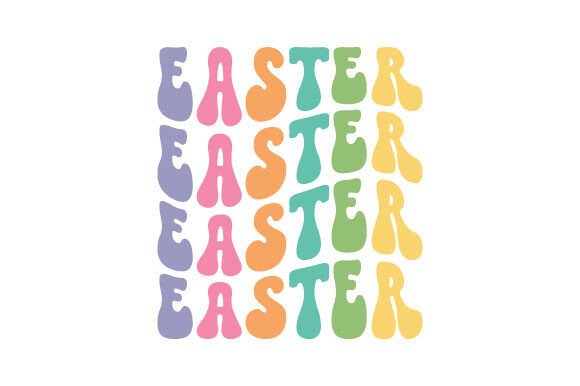
Retro Easter Svg Review: A Designer’s Take on Real-World Embroidery
When I sit down to evaluate a new digital asset for my embroidery studio, I am rarely looking at just a pretty picture. I am looking at stitchability, durability, and market viability. As an experienced designer who has spent years troubleshooting thread breaks and refining client orders, I approach every new file with a mix of creative excitement and technical skepticism. Today, I am putting Retro Easter Svg through the paces—not just as a graphic, but as a functional machine embroidery design intended for real-world application.
The craft industry is saturated with holiday content, so standing out requires more than just seasonal relevance. It requires aesthetic cohesion and structural integrity. This review explores how this specific design holds up when transferred from screen to fabric, focusing on its utility for small business owners, Etsy sellers, and serious hobbyists.
First Impressions and Visual Personality
The moment you open the file, the mood is immediately established. The "Retro" descriptor in the title is not merely decorative; it informs the entire composition. We are seeing bold lines, likely simplified shapes, and a color palette that evokes nostalgia without relying on the overly saccharine pastels common in modern Easter graphics. For a designer, this is a relief. Clean lines translate better to stitching than complex gradients or fuzzy edges.
From a layout perspective, the design feels balanced. It does not scream for attention but rather invites a closer look. This subtlety is crucial for high-end handmade products. When reviewing Retro Easter Svg, I appreciate that it avoids clutter. In embroidery, simplicity often equals sophistication. A busy design can look muddy once stitched, especially if the stitch density is not perfectly calibrated. This design appears to have enough negative space to breathe, which suggests it will render well on various fabrics, from heavy cotton twill to softer jersey knits.
The visual personality is playful yet grounded. It fits naturally into the Crafts and Graphics categories because it bridges the gap between whimsical holiday cheer and timeless vintage style. It feels like something you would find in a curated boutique, not a mass-produced discount store.
Real-World Application: From Screen to Stitch
Let’s move beyond theory and look at practical scenarios. Imagine you are preparing inventory for the spring season. You are working on a line of custom apparel and home goods. Where does Retro Easter Svg fit?
Consider a custom embroidered tote bag. This is a staple for any craft business. The retro aesthetic pairs beautifully with canvas or denim totes. Because the design likely relies on strong outlines, it will hold its shape well even after multiple washes. Customers love items that feel durable and authentic. An embroidered tote featuring this design signals quality. It suggests that the maker took time to select a design that ages well, rather than one that looks trendy only for a week.
Another strong candidate is sweatshirt embroidery. Spring evenings can still be chilly, and a crewneck sweatshirt with a subtle retro Easter motif is both comfortable and stylish. The design’s clean lines will stand out against heather grey or muted olive fabrics. However, this requires careful attention to fabric texture. On a textured knit, fine details might get lost. If the design includes tiny text or intricate inner details, you must ensure those elements are large enough to be visible through the pile of the fleece.
For baby items, the tone is perfect. Parents are moving away from overly bright, chaotic designs in favor of softer, more artistic interpretations of holidays. A onesie or burp cloth featuring this design appeals to the millennial and Gen Z parent demographic. It feels intentional and curated. Similarly, for kitchen towel or tea towel projects, the retro vibe adds a touch of farmhouse charm that complements linen or cotton blends.
I also see potential in embroidered patches. Whether used on denim jackets, backpacks, or caps, a patch version of this design allows for versatility. The customer can apply it themselves using iron-on backing or sew it on for a permanent finish. This expands the product’s appeal to the DIY market.
Where Caution Is Required
No design is flawless, and as a reviewer, I must highlight where Retro Easter Svg might present challenges. Precision is key in machine embroidery, and certain applications demand extra care.
- Small Hoop Sizes: If you plan to embroider this on small items like baby socks or miniature hats, you must verify the dimensions. Complex retro designs often have wide spans. Trying to cram a detailed layout into a 4x4 hoop can result in distorted proportions or clipped elements. Always check the hoop size requirements before finalizing your product line.
- Textured and Stretchy Fabrics: While this design works well on stable fabrics, applying it to highly textured materials like terry cloth or stretchy spandex blends can be tricky. Without proper stabilization, the satin stitch edges may pucker or shift. If you are working with stretchy fabrics, a cut-away stabilizer is non-negotiable to maintain the design’s integrity.
- Dense Stitch Areas: Retro styles sometimes use thick fill stitches to create solid blocks of color. If the design has large areas of dense stitching, it can become stiff and uncomfortable, particularly on garments worn next to the skin. For custom apparel, comfort is paramount. Test the hand-feel of the stitched area. If it feels like a hard plastic plate, you may need to adjust the stitch type to a lighter fill or add more running stitch details to reduce bulk.
- Curved Surfaces: Embroidering directly onto a cap or a curved mug sleeve requires advanced technique. The design must be digitally adjusted for curvature (distortion) to look correct on the finished object. If you are a beginner, stick to flat surfaces like tote bags or aprons until you master curve adjustments.
Technical Considerations for the Discerning Maker
As you prepare to use this digital embroidery file, there are several technical steps you should take to ensure professional results.
- Test on Scrap Fabric: Never run a new design directly onto your final product. Use a scrap piece of the same fabric and stabilizer combination. This allows you to see how the threads interact with the material and identify any tension issues.
- Check Thread Color Contrast: The retro aesthetic relies on contrast. Ensure your chosen thread colors pop against your fabric. Dark threads on dark fabric will disappear, while light threads on light fabric may lack definition. Run a black-and-white mockup of your design to check value contrast.
- Inspect Small Details: Zoom in on the digital preview. Are there any tiny letters or thin lines that might break during stitching? If so, consider simplifying the design in your software or increasing the minimum stitch length.
- Confirm Licensing: Before listing this as a small shop product on Etsy or selling at craft fairs, review the license agreement included with the download. Some files are for personal use only, while others allow commercial sales of finished goods. Clarifying this protects your business from legal issues.
Final Verdict on Market Appeal
Does Retro Easter Svg deliver value? Absolutely. It hits the sweet spot between nostalgia and modern minimalism. For the Etsy seller, it offers a unique angle in a crowded market. For the creative entrepreneur, it provides a versatile asset that can be adapted across multiple product categories, from personalized gifts to commercial embroidery projects.
The design’s strength lies in its clarity and mood. It does not rely on gimmicks but on solid graphic design principles. When executed correctly—with the right stabilizer, thread choice, and fabric—it creates a finished product that feels premium and thoughtful. Customers are willing to pay more for items that demonstrate care and aesthetic intelligence, and this design supports that goal.
In conclusion, Retro Easter Svg is a worthy addition to any designer’s library. It is practical, stylish, and adaptable. Just remember to test thoroughly and respect the technical limitations of your equipment. With careful execution, this design can help you create memorable pieces that resonate with buyers long after the holiday season has passed.